Why DevSecOps Matters:
Integrating Security in Every Step of Development
This article is an overview of the importance of DevSecOps in modern development and how it helps build secure applications by integrating security checks throughout the DevOps pipeline. Securing applications has become a top priority in today’s fast-paced digital world, where cyber threats are ever evolving in complexity and scope. The traditional approach to security, where it was only considered at the end of the software development lifecycle, has proven to be inadequate. This is the reason for the embarkment of DevSecOps (Development, Security, and Operations) aiming to integrate security into all stages of development instead of at the very end post live environment. By integrating security practices into the DevOps pipeline, DevSecOps enables organizations to build secure, reliable, and resilient applications from the very beginning of a project to post go live phase.
What is DevSecOps?
DevSecOps is a combination of development, security, and operations into an amalgamated approach, making security everyone’s responsibility throughout the software lifecycle. By bringing together these traditionally siloed functions, DevSecOps shifts security “left,” meaning it introduces security practices very early in the development process. It encourages a habit of continuous improvement and collaboration, with security integrated into planning, coding, testing, and deployment stages.
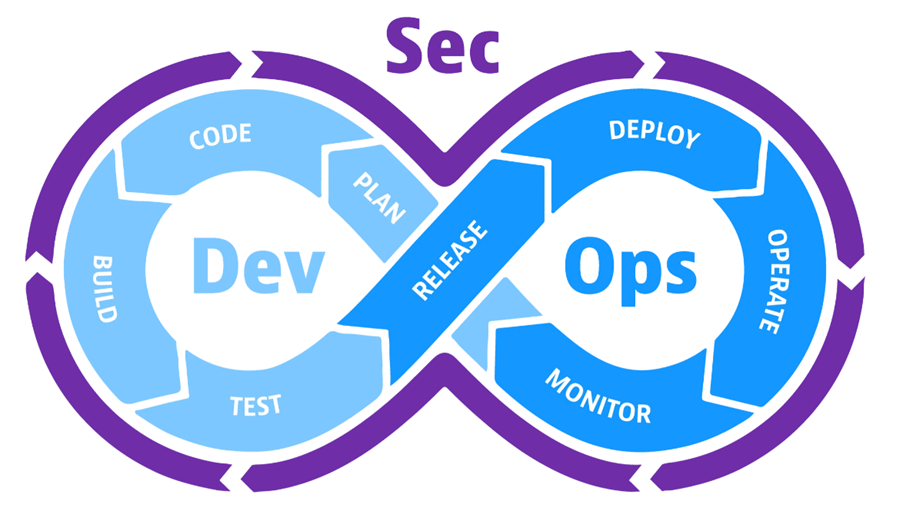
In DevSecOps, security becomes an automated and continuous aspect of the DevOps pipeline, which enables early detection of vulnerabilities, quicker resolution, and a more robust, secure final product. This association of security and DevOps practices introduced significant advantages to organizations, especially when handling sensitive data or applications exposed to external environments.
Key Benefits of DevSecOps
DevSecOps enables security issues to be identified and addressed before they evolve into major vulnerabilities, creating a proactive security approach rather than reactive fixes. Integrating automated security checks at each stage minimizes the risk of potential breaches and reduces the workload on security teams later in the process. Discovering vulnerabilities early not only saves time but also reduces costs, as remediating security issues after deployment is often more costly and time-consuming.
DevSecOps encourages enhanced collaboration and shared responsibility through a culture of collaboration between the development, security, and operations teams, ensuring that security is integrated at every step. This cross-functional method reduces communication silos, enabling developers to implement secure applications with greater confidence. When each team member feels a sense of responsibility for security, it makes it easier to implement comprehensive protection measures and handle potential risks.
In DevSecOps, security practices are embedded in the development process instead of being applied at the end. This integration reduces the likelihood of significant delays caused by last-minute security concerns. Automated security testing and vulnerability scanning ensure that applications can be safely deployed more quickly, enabling organizations to release secure features quicker.
Addressing security vulnerabilities early in the development cycle is significantly cheaper than fixing issues post-deployment or after a breach has occurred. A proactive security model reduces the costs of reactive measures, such as patching deployed software, addressing compliance violations, or managing reputational damage. By automating security checks, companies also reduce the need for extensive manual security assessments, resulting in cost savings and enables organizations to be more cost efficient in the long term.
Many industries, especially finance, healthcare, and government, are subject to strict compliance requirements that mandate specific security practices. DevSecOps enables organizations to comply with these regulatory standards more easily by integrating compliance checks throughout the development process. Automating compliance checks in the pipeline helps minimize the burden on teams and ensures that the application remains compliant throughout its lifecycle.
Key Components of DevSecOps Implementation
Automation is central to DevSecOps. Automated security tools, such as static application security testing (SAST), dynamic application security testing (DAST), and interactive application security testing (IAST), play a key role in discovering vulnerabilities without slowing down the CI/CD pipeline. These tools enable automated security testing and provide instant feedback to developers, enabling them to resolve issues immediately.
In DevSecOps, Continuous Integration and Continuous Delivery (CI/CD) pipelines are designed with security checkpoints and automated testing built into them. Each code commit, triggers security checks as part of the build process, helping to ensure that only secure code moves forward in the pipeline. Continuous deployment means that updates and patches can be rolled out faster, enhancing the security and resilience of the application in production.

Threat modelling helps teams better understand potential risks in their applications, identifying areas that could be vulnerable to attack. In DevSecOps, threat modelling and vulnerability assessments are conducted regularly throughout development to proactively manage risks. This approach allows teams to understand how attackers might exploit vulnerabilities and prioritize addressing these risks before they can be exploited in advance.
With the adoption of Infrastructure as Code (IaC) security, organizations can define and manage infrastructure through configuration files. IaC allows DevSecOps to secure infrastructure configurations and ensure they adhere to security best practices. Security checks validate these configurations as part of the CI/CD pipeline, ensuring that infrastructure deployments are secure and compliant.
Continuous monitoring is essential in a DevSecOps approach. By constantly analyzing logs and metrics, teams can detect and respond to security incidents in real-time. This allows for quicker response to security events, minimizing potential damage. Automated incident response and alerting can also help reduce downtime and maintain service availability.
How DevSecOps Enhances Application Security
The collaborative, automated nature of DevSecOps greatly changes how security is managed and DevSecOps helps strengthen application security. By embedding security in every phase, DevSecOps helps detect vulnerabilities earlier in the cycle, reducing the chance of significant issues at the end of development. Automation reduces human intervention, reducing human errors and ensuring consistency in security practices. This consistency is specifically beneficial in environments with complex or large-scale applications.
In a DevSecOps approach, security patches and updates are faster to implement, which is crucial for defending against zero-day vulnerabilities and in essence, providing rapid security updates. DevSecOps ensures that security practices are consistent and transparent, encouraging better governance and oversight across the organization. This visibility is essential for compliance and for ensuring security aligns with business goals.
Challenges in Adopting DevSecOps
While DevSecOps offers significant advantages, adopting it requires overcoming several challenges. It requires a cultural change, with development, operations, and security teams working together rather than in silos. This change can be challenging, especially in organizations with entrenched processes. Not all developers or operations personnel are trained in security best practices, and upskilling can be necessary to ensure that teams can effectively implement DevSecOps to bridge the training and skills gaps. Integrating security tools into existing CI/CD pipelines can be complex. Integrating these tools to work smoothly together while maintaining performance can require significant time and resources.
Initially, adopting DevSecOps may increase costs due to the need for new tools, training, and process adjustments. However, these upfront investments typically pay off over time in reduced risks and greater cost efficiency, therefore the cost of implementing DevSecOps requires consideration. In an era of sophisticated cyber threats and stringent regulatory requirements, DevSecOps offers a pragmatic solution for building secure applications without sacrificing agility. By integrating security into every step of development, DevSecOps transforms security from a final hurdle into a continuous, collaborative effort. Organizations implementing DevSecOps can innovate faster, respond to security incidents more effectively, and ultimately deliver better, more secure applications. For businesses that want to remain competitive whilst prioritizing security, DevSecOps is more than a trend—it’s a necessity rather than an option. Embracing DevSecOps paves the way for sustainable, secure development that supports both innovation and resilience in the age of evolving cyber threats.
 Eno Orogun